
 Back to Home Page


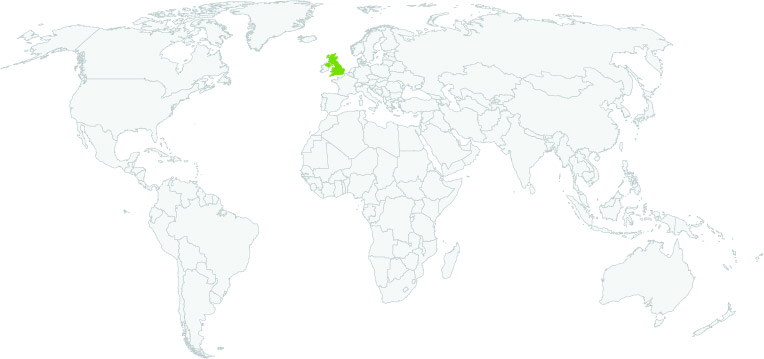

The UK government announced today that it plans to move forward with mandatory supply chain due diligence rules in Great Britain, requiring businesses to check that certain agricultural goods, including coffee, are not linked to illegal deforestation.
The government plans to use powers under Schedule 17 of the Environment Act 2021 to implement a Forest Risk Commodities scheme for Great Britain, alongside strengthening the existing UK Timber Regulation. It plans to launch a formal consultation with businesses, civil society and international partners later this year before introducing secondary legislation. No enforcement date has been set.

Chilean authorities seized 1,080.8 tonnes of timber chemically impregnated with cocaine, ketamine, and other narcotic substances, making it the country’s largest drug seizure to date. The investigation found that the wood itself had been infused with drugs, allowing traffickers to conceal narcotics within a legitimate timber shipment rather than simply hiding them inside containers. The contaminated timber originated in Bolivia and was intercepted at the Chilean ports of Arica, Valparaíso, and San Antonio following a six-month investigation. Authorities estimate the shipment contained approximately 108 tonnes of narcotics, with an estimated European street value exceeding US$8.3 billion. The intended destinations included Germany, Belgium, France, the Czech Republic, Spain, Portugal, Italy, the United Kingdom, the United States, Mexico, Morocco, Panama, Mauritius, New Zealand, and the Dominican Republic. The case demonstrates how legitimate timber supply chains can be exploited by sophisticated transnational criminal networks using advanced chemical concealment techniques. It also highlights the need for stronger customs intelligence, supply chain due diligence, and international cooperation to identify high-risk timber shipments used for trafficking illicit goods.
Also covered in English here: Drugs Hidden in Timber Behind Chile’s Record Seizure | Wood Central

The Environmental Investigation Agency has warned the global superyacht trade that demand for Myanmar teak is helping fund a military junta, after Sunseeker International’s US$200,000 guilty plea over illegally sourced timber. The US$200,000 fine represents a fraction of the roughly US$4 million the two yachts were priced at.
The warning follows Sunseeker’s guilty plea to two Lacey Act violations and the agreed US$200,000 fine over a teak balcony door and parts fitted to two yachts priced at roughly US$2.98 million and US$1.07 million. EIA had first exposed the Dorset boatbuilder’s reliance on Myanmar teak, evidence that led to its 2023 conviction in the United Kingdom and, in turn, the American charges.

US federal prosecutors have charged UK-based luxury yacht firm Sunseeker International Ltd and its US subsidiary Sunseeker USA Sales with environmental crimes tied to the use of illegally harvested teak from Myanmar.
In November 2024, Sunseeker International pleaded guilty to three criminal charges under the UK Timber Regulation for illegal timber imports into the UK, including ‘blood’ teak from Myanmar. The Dorset-based company was fined £358,759.64 by Judge Jonathan Fuller KC at Bournemouth Crown Court.
As a direct result of that case, US prosecutors have now lodged two criminal charges accusing the companies of violating the US Lacey Act, which prohibits the trafficking on wildlife and plant products in violation of US or foreign law.
EartSight’s analysis of a recent investigation shows that timber certified as “sustainable” under Malaysia’s MTCS and endorsed by PEFC is entering the UK despite links to deforestation and human rights abuses. It finds systemic failures in certification, including weak standards, conflicts of interest in auditing, and a lack of transparency and independent oversight. Indigenous Orang Asli communities’ rights are frequently ignored, with audits overlooking or misrepresenting conflicts and complaints. Certified forests are still being degraded, including logging in sensitive ecosystems and habitats for critically endangered species like the Malayan tiger. The UK is a major importer of this timber, with large retailers relying on certification to meet due diligence requirements. However, UK regulations only prohibit illegal timber—not timber from legal deforestation—allowing environmentally and socially harmful products to continue entering the market.

This investigation finds that timber certified as “sustainable” under Malaysia’s MTCS and endorsed by PEFC is entering the UK despite serious failures to protect Indigenous rights and prevent deforestation. MTCS standards are weaker than PEFC’s requirements, with little recognition of Orang Asli land rights, minimal consultation, and audits that dismiss community complaints. Certified forests are still experiencing significant deforestation, including illegal conversion beyond permitted thresholds and logging in environmentally sensitive and protected areas. These practices are contributing to habitat loss, including in critical wildlife corridors for the endangered Malayan tiger. As a result, UK imports—facilitated by reliance on certification for due diligence under UK Timber Regulations—risk being linked to deforestation and human rights abuses despite being labeled “sustainable.”
By integrating the best available spatial and statistical datasets, a new deforestation attribution framework (DeDuCE) provides a detailed quantification of deforestation associated with the production of agricultural and forestry commodities. DeDuCE reports 9,332 unique country–commodity deforestation–carbon footprints across 179 countries and 184 commodities annually from 2001 to 2022. Our findings indicate that while global efforts to curb deforestation appropriately focus on cattle meat, oil palm, rubber, soya, cocoa and coffee, global monitoring efforts have largely overlooked staple crops such as rice, maize and cassava.
European investment funds marketed as “sustainable” continue to hold large positions in companies whose activities drive deforestation and fossil-fuel expansion, revealing a significant gap between their branding and actual financial flows. €9 billion in so-called green funds are effectively bankrolling activities linked to Amazon degradation, despite commitments under the EU’s Sustainable Finance Disclosure Regulation. Major asset managers have included fossil fuel and agriculture-linked firms in portfolios labeled as sustainable, raising concerns about widespread greenwashing in the financial sector. Critics argue that current ESG criteria are too weak or too loosely applied, allowing capital to flow to companies with business models at odds with stated climate and biodiversity goals. The investigation also highlights the lack of transparency in how funds define and screen for sustainability, which can mislead investors and the public. Calls for regulatory tightening and clearer standards are growing, as policymakers and civil society push for sustainable finance to align more closely with environmental outcomes.
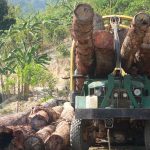
Responding to a question about plans for sustainable forestry management, Vietnam outlined forestry reforms and the establishment of a Timber Certification Office. The UK provided a similar update and noted the 2023 Timber Regulations are being maintained and reviewed.
The Vietnam DAG asked the UK about UKVFTA Article 13.7 (Biological Diversity), querying alignment with domestic laws and measures to promote this. The UK reaffirmed their commitment to biodiversity co-operation and illustrated this with the Wildlife Fund Projects which support projects in Vietnam on issues including (but not limited to):
- disruptions and deterrents
- trans-boundary commodity trafficking
- illegal animal trafficking
The Vietnam DAG expressed interest in sustainable supply chains and asked the UK about their Carbon Border Adjustment Mechanism (CBAM). The UK responded that the CBAM policy is still under development but provided an overview, shared the implementation timeline and noted that Vietnam had been invited to participate in the UK’s CBAM International Group.
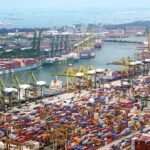
Malaysia has emerged as China’s fastest‑growing supplier of fibreboard, recording a remarkable 683% surge in shipments to 1,400 tonnes in the first nine months of 2025, according to new data from China Customs. The jump — the largest of any supplying country — comes as China’s total fibreboard imports rose 16% year‑on‑year to 45,000 tonnes – up to 50% of the world’s supply, signalling renewed demand from downstream manufacturers. New Zealand, Thailand, Germany, and Spain followed.
Vietnam remained China’s largest overseas market, with imports soaring 126% to 501,000 tonnes. Strong growth was also recorded in Saudi Arabia, Mexico, the United Arab Emirates, and Canada, each posting double‑digit increases. Exports to the United States and Nigeria softened, falling 9% and 1% respectively.
China’s wooden furniture sector, however, continues to face headwinds.
Export receipts fell 7% to US$16.69 billion in the first nine months of 2025, with shipments to the United States — China’s largest market — plunging 18% to US$4.24 billion. Despite the downturn, China maintained strong sales to other major destinations, exporting US$1.2 billion worth of wooden furniture to the United Kingdom and US$1.1 billion to Australia. Malaysia also remained a significant buyer, importing US$445 million worth of China‑made wooden furniture — an 18% increase year‑on‑year.
China’s wooden furniture imports also declined, falling 6% to US$461 million over the same period. Italy remained the largest supplier, accounting for 46% of China’s total imports, though shipments fell 9% to US$214 million. Declines were also recorded from Germany, Vietnam, and France. Whilst several smaller suppliers bucked the trend, with imports rising from Thailand, Slovakia, and Indonesia.

Amid global market volatility and climate challenges, Vietnam’s wood industry registered a historic threshold in 2025, with exports of timber and wood products exceeding US$17 billion for the first time, underscoring its role as a major export pillar of the national economy.
In 2025, exports of timber and wood products to the United States were estimated at US$9.46 billion, representing a year-on-year rise of 4.4% and accounting for approximately 55% of Vietnam’s total wood export value. Vietnam continues to hold its position as the largest supplier of wooden furniture to the US market.
In the first 11 months of 2025, wooden furniture exports reached US$9.434 billion, accounting for nearly 61% of the industry’s total export value. Several other product groups also recorded export turnover of US$1 billion or more each, including wood chips at US$2.22 billion; sawn wood, boards, and flooring at US$2.091 billion; and wood pellets at US$1.081 billion.
2025 presented unprecedented challenges for the industry. These included reciprocal tariff measures, anti-dumping and anti-subsidy investigations from the US, mounting pressure from the EU’s upcoming Anti-Deforestation Regulation (EUDR), as well as subsequent storms and floods at home that disrupted raw material supply chains and production.
Looking ahead to 2026, Nguyen Quoc Tri, Deputy Minister of Agriculture and Environment, said the forestry sector aims to maintain forest coverage at around 42%, achieve wood and forest product exports of roughly US$18.5 billion, and accelerate the development of large-timber forests. Key priorities include applying science and technology, advancing digital transformation, and strengthening trade promotion. Future efforts will also focus on diversifying export markets, reducing dependence on a small number of major markets, building the “Vietnamese Wood” brand, and expanding forest environmental services and the carbon market.

A new report by the Isle of Man Financial Intelligence Unit (FIU) has set out how environmental and wildlife crime can generate illicit financial flows that may pass through international finance centres, including the Island.
The document, dubbed “Environmental Crime: Typologies and Red Flags”, outlines how offences such as illegal fishing, wildlife trafficking, logging, mining, pollution and habitat destruction can intersect with money laundering, tax fraud and organised crime.

The timber industry across the EU and UK has come together to assert its steadfast commitment to rejecting Russian and Belarusian wood products. Leading industry associations, including CEI-Bois, ETTF, EOS, and TDUK, have signed a united statement to reinforce their strong stance against illegal wood imports.
The statement, published on the Timber Development UK (TDUK) website, echoes the legal obligations and responsibilities that operators in the timber industry must adhere to. It outlines that the purchase, importation, or transfer of timber products originating from Russia or Belarus remains strictly prohibited under both EU and UK sanctions. This has been the case for several years, yet challenges remain in curbing the presence of prohibited wood in European markets.

Interpol announced that from 15 September – 15 October, law enforcement agencies comprising police, customs, border security and forestry and wildlife authorities from 134 countries made a total of 4,640 seizures during Operation Thunder 2025.
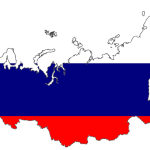
Australian supply-chain forensics company Source Certain has analysed more than 3,000 wood samples from the British construction sector. Its tests, which identify timber by analysing unique atomic “fingerprints” created by growing conditions, revealed that over 10% of the samples were not what suppliers claimed. Of those with a false origin, three-quarters were traced back to Russia.
Since Russia’s invasion of Ukraine in 2022, imports of Russian and Belarusian wood products have been banned in the UK and across Europe. But investigators say this has fuelled a black market, with timber relabelled as coming from Estonia and other Baltic states. Because Russian timber plantations are state-owned, smuggling revenues are believed to be contributing directly to the Kremlin’s war effort.

Illegal gold mining remains rampant in the Amazon rainforest despite government efforts to curb it, reveals new analyses of satellite data from 2023 to 2024. According to the report by Greenpeace Brazil, national action to combat this destructive activity is not delivering a decrease, but rather a shift in the Indigenous territories affected. While mining activities reduced in Yanomami, Munduruku and Kayapó land (down 7%, 57% and 31%), Sararé land saw a dramatic surge, with illegal mining up by 93%.
Researchers also uncovered discrepancies in gold trade data. According to the investigation, Swiss imports exceeded Brazil’s reported exports by 67% in 2022 and 62% in 2023 – suggesting significant irregularities. in 2024, the top three destinations for Brazilian gold exports were Canada, Switzerland, and the United Kingdom – major international hubs for refining and trade.
Lula’s predecessor, far-right President Jair Bolsonaro deliberately weakened environmental controls in the Amazon. This triggered an explosion in exploration between 2018 and 2022, with a staggering 265% increase in illegal gold mining on Indigenous lands.[4] Since 2023, the current Brazilian government has intensified security and monitoring efforts in key areas. But Greenpeace Brazil’s research shows that illegal mining continues to adapt and spread across the forest – underscoring the urgent need for sustained, long-term strategies.
The Brazilian Supreme Federal Court recently ruled to close a legal loophole that had allowed buyers to accept gold without proving its origin, enabling illegal mining—often in Indigenous territories – to flourish unchecked. Gold buyers must now verify the legality of their purchases, and the government is required to enforce stricter oversight.
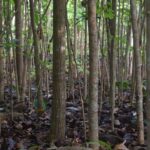
The United Kingdom is looking to expand its trade into mahogany timbers and is now eyeing Fiji as a growing market to supply tropical hardwoods in the UK and across Europe. That is according to Dr Brian Jones, British High Commissioner, who said the time for Fijian landowners to seize the opportunity and provide high-value timbers has arrived. The Fiji Hardwood Corporation Ltd (FHCL)—which manages more than 75,000 hectares of mahoney across the country—sells more than 38,000 cubic metres of mahoney into global markets every year

Operation Thunder 2024 (11 November – 6 December) brought together police, customs, border control, forestry and wildlife officials from 138 countries and regions. Authorities arrested 365 suspects and identified six transnational criminal networks suspected of trafficking animals and plants protected by the Convention on International Trade in Endangered Species of Wild Fauna and Flora (CITES).
Timber cases represent the most significant seizures, primarily occurring in sea cargo container shipments, while most other seizures took place at airports and mail processing hubs. More than 49,000 pieces, 214.9 tonnes, or 1340 cubic meters were seized. Significant seizures included:
- Indonesia: 134 tonnes of timber headed to Asia via ocean freight.
- Kenya: 41 tonnes of exotic timber headed to Asia via ocean freight.
The participation of numerous countries contributed to the success of intelligence efforts in the operations, targeting high-value suspects. Authorities investigated online activities and found suspects using multiple profiles and linked accounts across social media platforms and marketplaces to expand their reach.

One of the UK’s largest timber merchants, James Latham, said that preparation for EUDR has led to a swell of traders to divert trade in uncertified hardwoods through the United Kingdom.
Also reported here: EUDR Blamed for Surge of Cheap Hardwoods Now Entering the UK | Wood Central
The British boatbuilder has been fined over £350,000 in a landmark case in the UK courts for importing teak from Myanmar…
Sunseeker International has been fined £358,759.64 for 11 specific imports relating to ‘blood’ teak originating in Myanmar. Sunseeker’s charges included failing to exercise due diligence as an operator when placing timber products on the market, failing to maintain and evaluate a due diligence system for timber or timber products, and failing to comply with article 5(1) of the Commission Implementing Regulation (EU) No 607/201, which pertains to record-keeping obligations for operators.
During the court proceedings, it was revealed that Sunseeker’s timber imports included teak from Myanmar, wenge from Africa, and European oak, with a combined value of just over £60,000. However, although the Poole-based firm was sentenced only based on 11 specific imports, the court heard evidence suggesting there were many more. Judge Fuller noted that Sunseeker was aware of impending changes to timber import regulations after Brexit, which altered its status from ‘trader’ to ‘operator’ and subsequently left it in breach of the rules. He described the company’s failings as a “systemic failure”.
Also reported here: UK luxury yacht firm exposed by EIA the first to be sentenced for importing Myanmar ‘blood’ teak – EIA
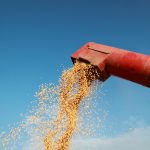
Soy deforestation is rising at an “alarming” rate, as a new report shows UK companies could be exposed to illegal practices ahead of a crucial regulatory crackdown.
Soy-driven deforestation and conversion of native vegetation in Brazil has been increasing since 2020, according to exclusive new data seen by The Grocer showing a massive spike over recent years.
Production of the commodity in the South American country was responsible for the deforestation of around 160,000 hectares in 2023, compared to around 40,000 hectares in 2020, according to evidence from Satelligence, the geospatial monitoring company working with some of the world’s largest commodity traders – including Cargill, Nestlé, Unilever, Bunge and Olam – as they prepare for anti-deforestation laws rolling out in the UK and the EU.

A global shortage of cocoa beans has led to a race among cocoa bean processors to secure high-quality beans, while shunning older varieties. The UK has a large stockpile of lower quality beans from Cameroon, viewed in the industry as of lower quality. Companies had hoped the incoming EU Deforestation Regulation would allow the lower-grade material to be written off as unusable. But the EUDR allows existing stocks to be “grandfathered” — meaning they could still be bought and sold.

A new Greenpeace report, Nature Crime Files – Romania – Greenpeace International, followed the traces to the suppliers of furniture companies, such as IKEA. By closely examining the entire supply chain, from logging sites to wood depots, including scrutinising transport permits with geolocation attributes, and visiting processing facilities Greenpeace CEE found old-growth or other high conservation value destruction linked to at least seven different IKEA suppliers in Romania. Investigations identified at least 30 IKEA products, and some of IKEA’s well-known furniture, originating from these producers, raising a concern that wood from old-growth forests could ultimately end up in homes all over Europe and beyond.

Last November, French NGO Sherpa filed a complaint with the National Prosecutor’s Office against French banks BNP Paribas, Crédit Agricole, BPCE, and Axa. It called for a criminal investigation into money laundering and concealment, arguing that the banks’ financial support for Brazil’s biggest beef companies was contributing to illegal deforestation in the Amazon.
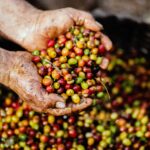
Coffee is a globally traded agri-commodity that is also a major driver of deforestation, mass extinction, child labor, slavery, and other abuses.
The FOREST Act just introduced in the U.S. Senate would regulate palm oil, cocoa, rubber, cattle, and soy – but not coffee. Also this month, the U.K. announced details of its long-awaited deforestation legislation, but it doesn’t cover coffee, either.
It’s time for regulators in these top coffee consuming countries to wake up, recognize the urgency, and regulate coffee, a new op-ed argues.
This post is a commentary. The views expressed are those of the author, not necessarily of Mongabay.

New Global Witness report indicates that the UK’s two-year old environmental legislation has not affected deforestation due to lack of follow-up by the government.
Also covered here: Beef, soy and palm oil products linked to deforestation still imported into UK | Deforestation | The Guardian
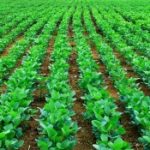
The UK could become a “dumping ground” for soy linked to intensive deforestation as new environmental legislation lags behind EU efforts, campaigners have warned.
Activists have raised concerns that companies sourcing soy in the Cerrado region of Brazil, which is notorious for intensive logging, could start shifting export volumes from the EU to UK due to weaker regulation.

A new Mighty Earth report, “Tesco: A basket of problems for the Amazon,” shows chicken and pork products sold in Tesco stores are linked to recent, illegal fires and deforestation of 400 hectares of Brazilian Amazon rainforest, equivalent to 560 Wembley football pitches, and the loss of more than 220,000 trees. It follows a thorough investigation mapping Tesco’s full soy supply chain from farm level in the Amazon, via US agricultural giant Cargill, on to UK meat producers Avara and Pilgrim’s UK, and finally to the shelves of the UK’s biggest retailer.
A new investigation into industrial poultry farming in Brazil claims that chicken fed with corn and soya beans grown on deforested land or with unclear origins is ending up on British dinner plates and supermarket shelves.
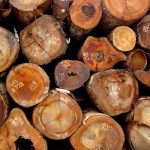
While many products exported to the UK enjoyed strong increases thanks to the UK-Vietnam Free Trade Agreement (UKVFTA), Vietnam’s timber industry is facing difficulties in expanding in this market, requiring manufacturers and exporters to change their business strategies.
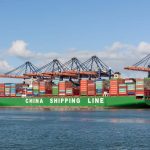
Timber Trade Federation (TTF) issued import warning for TTF-members on birch plywood from the Far East.
“It has been nearly six months since Russia’s awful invasion of Ukraine, with few signs the conflict is going to abate anytime soon.
Though grain exports began to leave Ukraine this week for the first time since the war began, international sanctions on Russia remain very much in place.
Along with maritime sanctions and restrictions on Russian payments, the most significant sanction for our industry is the Russian timber import ban.
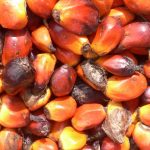
The UK government may be undermining its commitments to end deforestation overseas because of conflicts over trade policy, the Guardian has learned.
A war of words is raging within the government over deforestation and trade, with green campaigners warning that a proposed policy could have dire consequences for efforts to stop illegal logging.
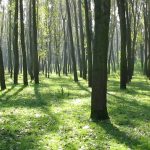
Timber chiefs have warned that imports of the material from Russia or Belarus could now be deemed illegal in the UK. The Timber Trade Federation (TTF) told its members that purchases from suppliers in the ostracised nations could fall foul of regulations initially coming into force nine years ago in part to tackle illegal logging abroad.
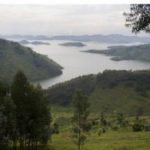
The Zoological Society of London (ZSL), which, in its 2025 SPOTT assessment of 100 major forestry firms, reports that only 18% disclose the countries from which they source, and a mere 4% can trace their supply chains down to the forest management unit (FMU) level. At the same time, Wood Central understands that none of the companies assessed publish georeferenced maps for all third-party FMUs, and just 3% report what share of their supply is verified deforestation-free.
SPOTT assesses 100 timber and pulp producers, processors and traders on their public disclosure regarding their organisation, policies and practices related to environmental, social and governance (ESG) issues. Each company receives a percentage score to benchmark their progress over time. See further explanation of assessment scores here.
 Key Resources

 Methodology
 Data Tools
Click here to access the Global Illegal Logging and Associated Trade (ILAT) Risk assessment tool and to download the Forest Trends User Guide describing the functionality of the ILAT Risk Data Tool.
Click here to access the Cattle Data Tool.
 Export Restrictions
 Trending