 Back to Home Page


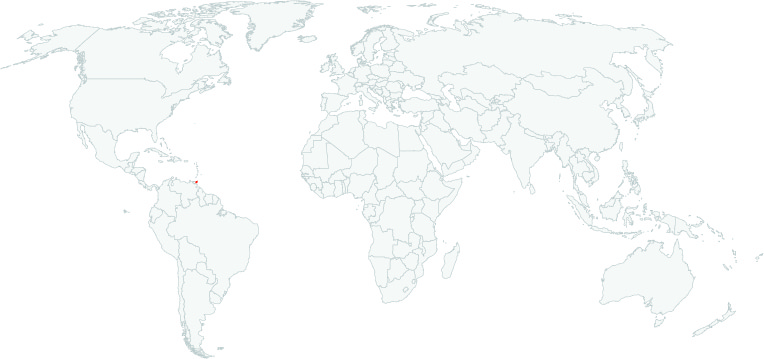

Over the past decade, Trinidad and Tobago’s natural resource and rural-based industries—copra, timber, sawmilling, and hunting—have operated in a space where legal requirements existed on paper but were unevenly enforced in practice. Long-standing legislation such as the Copra Products Control Act and forestry and wildlife regulations set out licensing, permitting, and hunting rules, yet many small operators and community-level producers remained informal, often without facing meaningful sanctions. The Finance Bill 2026 seeks to change this equilibrium by sharply increasing fines and signalling a more assertive enforcement posture. In doing so, it places traditional livelihoods, environmental stewardship and public health concerns in the same policy frame and asks operators to either step fully into the formal economy or face significantly higher penalties.
Timber and sawmilling activities are also squarely targeted in the Finance Bill 2026, reflecting increasing concern about illegal logging, unlicensed processing and the cumulative impact on forest ecosystems. Fines for removing timber without a permit and for operating a sawmill without a licence are set to rise from $100,000 to $150,000. Public messaging from the Department of Natural Resources and Forestry (DNRF) has stressed that prison terms of up to five years may accompany serious breaches. For years, many sawmills and furniture workshops have operated in a grey zone of partial or non compliance, with enforcement often limited to sporadic inspections or periodic crackdowns. The new penalty structure, coupled with explicit warnings from DNRF, is intended to push operators toward full licensing and to reduce illegal timber flows. If properly implemented, this can improve forest management, support sustainable sourcing and strengthen the competitiveness of compliant sawmills and furniture makers who have historically faced unfair competition from illegal operators.
 Key Resources

 Methodology
 Data Tools
Click here to access the Global Illegal Logging and Associated Trade (ILAT) Risk assessment tool and to download the Forest Trends User Guide describing the functionality of the ILAT Risk Data Tool.
Click here to access the Cattle Data Tool.
 Export Restrictions
 Trending