
 Back to Home Page



Malaysia has emerged as China’s fastest‑growing supplier of fibreboard, recording a remarkable 683% surge in shipments to 1,400 tonnes in the first nine months of 2025, according to new data from China Customs. The jump — the largest of any supplying country — comes as China’s total fibreboard imports rose 16% year‑on‑year to 45,000 tonnes – up to 50% of the world’s supply, signalling renewed demand from downstream manufacturers. New Zealand, Thailand, Germany, and Spain followed.
Vietnam remained China’s largest overseas market, with imports soaring 126% to 501,000 tonnes. Strong growth was also recorded in Saudi Arabia, Mexico, the United Arab Emirates, and Canada, each posting double‑digit increases. Exports to the United States and Nigeria softened, falling 9% and 1% respectively.
China’s wooden furniture sector, however, continues to face headwinds.
Export receipts fell 7% to US$16.69 billion in the first nine months of 2025, with shipments to the United States — China’s largest market — plunging 18% to US$4.24 billion. Despite the downturn, China maintained strong sales to other major destinations, exporting US$1.2 billion worth of wooden furniture to the United Kingdom and US$1.1 billion to Australia. Malaysia also remained a significant buyer, importing US$445 million worth of China‑made wooden furniture — an 18% increase year‑on‑year.
China’s wooden furniture imports also declined, falling 6% to US$461 million over the same period. Italy remained the largest supplier, accounting for 46% of China’s total imports, though shipments fell 9% to US$214 million. Declines were also recorded from Germany, Vietnam, and France. Whilst several smaller suppliers bucked the trend, with imports rising from Thailand, Slovakia, and Indonesia.

The global agarwood trade heavily depends on wild-harvested endangered tree species, despite international regulations for protection, with significant volumes going undocumented in official trade records, a new study reveals.
About 70% of the trade depend on Aquilaria filaria and Aquilaria malaccensis, both threatened species, sourced from the wild, raising major sustainability concerns. Meanwhile, there are some tree species that are not even covered by CITES, the global wildlife trade convention.
Due to discrepancies between CITES and customs data, along with weak enforcement and outdated regulations, researchers suggest the illegal trade is far larger than reported.
Researchers urge stronger monitoring, updated data, expanded species protection, and a shift to cultivated sources. They also call on consumers and wealthy importers to support conservation and governments to promote sustainable practices.

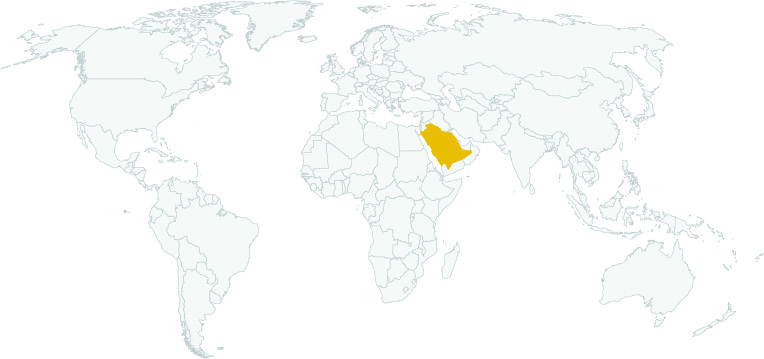
Saudi Arabia is poised to become one of the world’s largest consumers of timber, fuelled by several ‘mega’ and ‘giga’ projects, including the NEOM, the Red Sea Project, Trojena and Qiddiya – which could see the market for timber-based products reach more than US $4.1 billion by 2029.

The American Hardwood Export Council (AHEC), the leading international trade association for the American hardwood industry, announced the latest data from the United States Department of Agriculture (USDA), which reveals a notable 6% growth in exports of U.S. hardwood lumber to the Middle East and North Africa (MENA) region during the first half of this year. Shipments reached a total value of USD 34.93 million during the January to June period.
Significant increases were seen in hardwood lumber exports to the United Arab Emirates (UAE), Saudi Arabia, and Egypt. Exports to the UAE saw a remarkable 27% increase in volume, reaching 10,192 cubic meters. Saudi Arabia experienced an 8% rise in volume, totaling 4,472 cubic meters. Egypt also showed a positive trend with a 15% increase in volume, amounting to 3,651 cubic meters. These gains reflect the booming construction sector in the Arabian Gulf, particularly in the UAE and Saudi Arabia, as well as Egypt’s gradual economic recovery after several challenging years.

Russia and Belarus now account for 70% of all Chinese lumber imports.
Russia is ramping up plywood production, with exports to China surging more than 344%, according to new data provided by Roslesinforg – the Russian state-owned customs agency.
The latest numbers come after China Customs reported that exports to China had tripled for March. environmental groups have flagged concerns that China is operating as a broker for Russian and Belarussian timber, with plywood made from Russian birch entering European markets via China, Vietnam and a series of “friendly countries” across Eurasia.

The Middle East is pivoting from concrete-and-steel-based construction to timber, with the UAE and Saudi Arabia leading the regional green switch. And whilst the number of timber buildings out of the ground is small, Wood Central can reveal that imports of plywood and other timber products have tripled to Dubai and Riyadh in the last 12 months alone.
 Key Resources

 Methodology
 Data Tools
Click here to access the Global Illegal Logging and Associated Trade (ILAT) Risk assessment tool and to download the Forest Trends User Guide describing the functionality of the ILAT Risk Data Tool.
Click here to access the Cattle Data Tool.
 Export Restrictions
 Trending